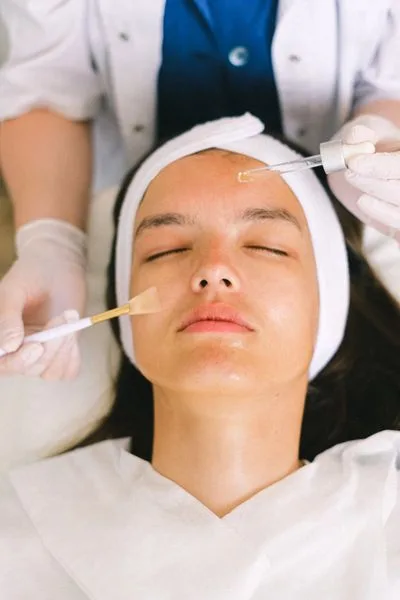
What is Clarity II Laser?
Clarity II is a dual-wavelength laser platform made by Cutera. It combines 755 nm alexandrite and 1064 nm Nd:YAG in a single device and works with an integrated cooling system. Its main uses are laser hair removal and vascular lesions; it can also be used for some superficial pigmented lesions.
What is Clarity II Used For?
- Laser hair removal: Hair reduction on the face and body. 755 nm is preferred for light and medium skin types, 1064 nm for darker skin types.
- Capillary dilations (telangiectasia): Fine red vessels on the face and legs.
- Superficial vascular lesions: Cherry angiomas, facial redness and the vascular component of rosacea.
- Superficial sun spots: A limited number of superficially placed lentigines.
- Skin rejuvenation: Treatments aimed at collagen stimulation.
Clarity II and Skin Spots: Scope and Limits
This is often confused: Clarity II is not a pigment laser. For pigment-related problems such as widespread sun spots, melasma, post-inflammatory hyperpigmentation and tattoos, the platform of choice is a Q-switched Nd:YAG laser; in this clinic Hollywood Spectra is used for that work. Clarity II can address a limited number of superficial lentigines, but it is not the right option for deep, hormonally driven pigmentation such as melasma. In melasma, the wrong device and excessive energy can cause the pigment to rebound and darken.
Which group your spots belong to, and which device is appropriate, can only be determined by examination and, where needed, dermoscopic assessment.
Why Do Skin Spots Occur?
Skin spots usually result from increased melanin (pigment) production. The main causes are:
- Sun exposure: Prolonged sunlight causes sun spots and age spots.
- Hormonal changes: Pregnancy, birth control pills and hormonal imbalance can cause melasma (pregnancy mask).
- Aging: Pigmentation changes occur in the skin with age.
- Inflammation: Dark spots can appear after acne, injury or skin irritation.
- Genetic factors: Some people are genetically more prone to spot formation.
How Does Clarity II Work?
- 755 nm alexandrite: Strongly absorbed by melanin; used for hair removal and superficial pigment targets in light and medium skin types.
- 1064 nm Nd:YAG: Reaches deeper and is absorbed less by epidermal melanin; preferred in darker skin types and for hemoglobin-targeted vascular work.
- Selective photothermolysis: Energy concentrates in the target chromophore (melanin or hemoglobin) while heating of surrounding tissue is kept limited.
- Integrated cooling: The epidermis is cooled during the pulse, which improves comfort and reduces the risk of superficial damage.
Treatment Process
1. Initial Consultation
The first step is assessing the skin and defining the right plan. The doctor evaluates your skin type, the target lesion, your medications and your general health. Suitability can only be established at this examination.
2. Pre-Treatment Preparation
- Sun protection for at least 2 weeks; treatment is postponed on tanned skin.
- Retinoid products are stopped before the procedure.
- Your skincare routine and medications are shared with the doctor.
3. Laser Application
Each session takes approximately 30-45 minutes:
- The skin is cleansed and prepared
- Eye protection is worn
- Parameters are set according to skin type and target
- A slight warmth or tingling may be felt during application
4. Post-Treatment Care
- Mild redness is an expected response and usually settles within a few hours
- Broad-spectrum sunscreen is mandatory
- Continue care with a gentle cleanser and moisturizer
- Avoid sauna, hammam and intense exercise for the first 48 hours
Results and Expectations
- Initial results: Change may be noticed from the first sessions, but the response differs by target lesion.
- Number of sessions: 2-4 for vascular lesions, 6-8 for hair removal, 3-5 for superficial spots.
- Session interval: Usually 3-4 weeks; 4-6 weeks for hair removal.
- Duration of results: Treated vascular lesions usually do not return. Hair removal gives long-term reduction in the treated follicles; new hairs may appear for hormonal reasons and maintenance sessions may be needed. For spots, regular sun protection is essential to prevent new ones. Results vary from person to person.
Who Is It Not Suitable For?
- Pregnant or breastfeeding women
- Those with heavy sun exposure or tanning bed use in the past 2 weeks
- Active infection, herpes or open wounds in the treatment area
- Those using isotretinoin or who stopped it within the past 6 months
- Those on photosensitizing medication or with photodermatosis
- Those prone to keloid or hypertrophic scarring
- Those with deep, hormonally driven pigmentation such as melasma — a different device and protocol is required
Frequently Asked Questions
Is the treatment painful?
People describe a slight warmth or a brief rubber-band snap sensation. Integrated cooling reduces this. Perceived discomfort varies from person to person.
How many sessions are needed?
It depends on the target: 2-4 for vascular lesions, 6-8 for hair removal, 3-5 for superficial spots. The exact number is set at the examination.
When are results visible?
The first change can be noticed in the early sessions; full results need a few weeks after the final session.
Can I go out in the sun?
Sun protection after treatment is very important. Broad-spectrum sunscreen is mandatory, otherwise new pigmentation can develop.
For my spots, Clarity II or Hollywood Spectra?
For widespread pigmented spots, melasma and tattoos, the Q-switched Nd:YAG platform (Hollywood Spectra) is appropriate. For capillary vessels and hair removal, Clarity II is used. Which device fits is determined by medical examination.