What is Acne?
Acne is a chronic skin condition that is especially common during adolescence but can also continue into adulthood. It most commonly appears on the face, back, and chest areas. It develops due to inflammation of the hair follicle and sebaceous gland units.
The main factors in acne formation are increased oil production, dead skin cells clogging pores, proliferation of Cutibacterium acnes bacteria, and increased inflammatory response. Genetic predisposition, hormonal changes, stress, certain cosmetics, or medications can also affect the severity of acne.
Types and Symptoms of Acne
Comedones
These are clogged pores in the form of blackheads (open comedones) or whiteheads (closed comedones). Blackheads are color changes resulting from the pores remaining open on the surface and oxidation.
Papules and Pustules
These are red, inflamed pimples. Papules are small, red, and raised lesions. Pustules are pus-filled pimples with yellow or white heads.
Nodules and Cysts
These are deep, painful lesions with a risk of scarring. Nodules are hard, subcutaneous bumps. Cysts are larger, fluid-filled lesions that can be quite painful.
Risk Factors
- Hormonal changes: Puberty, menstrual cycle, pregnancy, and menopause
- Genetic predisposition: Family history of acne
- Stress: Increased cortisol levels
- Diet: High glycemic index foods and dairy products
- Cosmetic products: Products with comedogenic ingredients
- Medications: Corticosteroids, lithium, some antiepileptics
Treatment Options
Topical Treatments
- Retinoids: Accelerate cell renewal, prevent pore clogging
- Benzoyl peroxide: Provides antibacterial effect
- Salicylic acid: Cleanses pores and removes dead skin cells
- Topical antibiotics: Controls bacterial growth
Systemic Treatments
- Oral antibiotics: Used for moderate to severe inflammatory acne
- Hormonal treatments: Birth control pills or anti-androgens for women
- Isotretinoin: Most effective treatment for severe, resistant acne cases
Supportive Applications
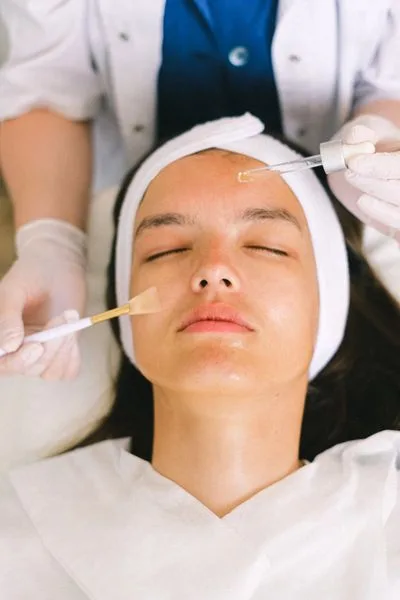
- Chemical peeling
- Laser and light therapies
- Professional skin care
- Microdermabrasion
Acne Scar Treatment
- Microneedle radiofrequency (gold needle): Reduces the appearance of scars by stimulating collagen production
- Fractional laser: Promotes skin renewal
- Chemical peeling: Effective for superficial scars
- PRP (Platelet Rich Plasma): Supports natural healing process
- Mesotherapy: Provides vitamins and minerals to the skin
- Post-inflammatory hyperpigmentation: Lightening medical formulations and laser treatments
Important Information
- The disease is not contagious and is not directly related to personal hygiene
- Squeezing pimples increases the risk of scarring and infection
- Regular sun protection is essential
- Treatment requires patience; results begin to appear in 6-12 weeks
With proper planning and regular follow-up, skin appearance can be significantly improved.